What is UI/UX Design and Why Your Startup Needs It Before Writing a Single Line of Code
Every great digital product starts with design — not code. Before a single line of JavaScript is written or a database is configured, the most successful startups in the world invest in understanding their users deeply and designing an experience that feels effortless, intuitive, and delightful.
Yet in India, many founders still treat UI/UX design as an afterthought — something to polish after the product is built. This mistake costs months of development time, thousands of dollars in rework, and worst of all, users who never come back.
This blog explains what UI/UX design really means, why it matters before development, and how it can determine whether your startup succeeds or struggles.
UI vs UX — What is the Actual Difference?
The terms are often used together but they mean different things. Understanding the distinction is the first step.
UX Design (User Experience) | UI Design (User Interface) | |
Focus | How the product works and feels | How the product looks and presents |
Goal | Solve user problems efficiently | Create beautiful, consistent visuals |
Tools | Wireframes, user flows, prototypes | Visual design, color, typography, icons |
Measures | Conversion rate, task completion, retention | Brand consistency, aesthetic quality |
Analogy | The architecture of a building | The interior design and paint |
Both are essential. A product with great UX but poor UI looks untrustworthy. A product with stunning UI but terrible UX frustrates users and kills retention.
The Real Cost of Skipping UX Design
Here is a hard truth: it costs 100 times more to fix a UX problem after development than to solve it during the design phase. This is not an exaggeration — it is an industry-standard ratio that every experienced product manager knows.
When startups skip UX design and jump straight to development, here is what typically happens:
Developers build features based on assumptions, not user research
The onboarding flow confuses new users and churn spikes immediately after sign-up
Core features are buried under poor information architecture
Investors see an unpolished product and lose confidence in the team
The team spends weeks in redesign cycles instead of building new features
The UI/UX Design Process — What Actually Happens
A professional UI/UX process at Kaarigari Labs follows these stages:
Discovery & Research: We interview users, study competitors, and map the market. This phase defines who we are designing for and what problem we are truly solving.
Information Architecture: We decide what content goes where — the sitemap, navigation structure, and user flows. This is the blueprint before any visual design begins.
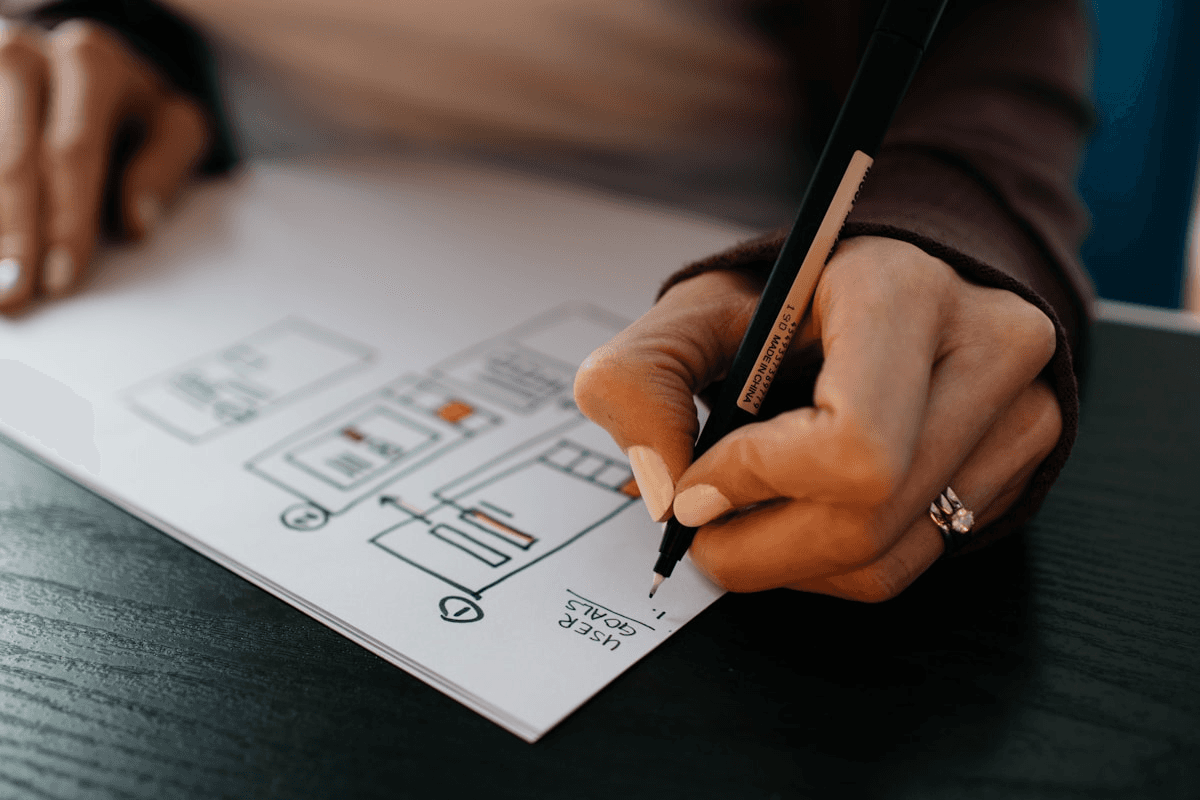
Wireframing: Low-fidelity wireframes are created to test layout and logic before committing to visual design. This is where most fundamental UX decisions are made.
Prototyping: An interactive prototype lets stakeholders experience the product before development. This saves enormous amounts of developer time.
Visual Design (UI): We apply colour, typography, icons, and brand language to create a polished interface that is consistent and beautiful.
Handoff to Development: We provide developers with precise design specifications, component libraries, and interaction notes through tools like Figma.
Testing & Iteration: Post-launch, we test with real users and iterate based on data. Design is never truly finished — it evolves.
When Should a Startup Invest in UI/UX Design?
The short answer: before development begins. But let us be more specific about the stages:
Pre-seed stage — Design a landing page and basic product concept to validate your idea and start user interviews
Seed stage — Design the full product UX before hiring developers. Use your wireframes to get better development estimates.
Series A stage — Invest in a comprehensive design system so your product scales consistently as the team grows
Growth stage — Hire a UX agency on retainer to continuously test, iterate, and optimise conversion and retention
What Kaarigari Labs Does Differently in UI/UX Design
At Kaarigari Labs, we design products that live at the intersection of beauty and function. We have designed interfaces for AI SaaS platforms, fintech trading apps, climate clothing brands, and interior design studios.
What makes our approach different:
We start with a pencil, not a screen — Every project begins with hand-drawn sketches and paper prototypes before we open Figma
We design systems, not just screens — We create reusable component libraries that make development faster and future updates seamless
We design for AI — Our team specialises in AI-native interfaces — dashboards, workflow builders, and intelligent product experiences
We work end-to-end — From UX research to development handoff to live product — we stay with you through the entire journey
Frequently Asked Questions
Is Framer good for business websites?
Yes. Framer is well suited for modern business websites, startup websites, SaaS websites, agency websites, portfolios, and marketing websites.

Is Framer good for SEO?

Do you work with Mumbai startups and small businesses?
Can I migrate my website to Framer?
Can a Framer website have a blog?
How much does a Framer website cost?
Can Kaarigari Labs develop a custom Framer website?
Talk to our team. We will analyse your requirements and recommend the best approach — free of charge.
Other
From logo to launch we cover every touchpoint of your brand's digital presence. Strategy, design, development, and marketing under one roof, rooted in Mumbai's creative energy.